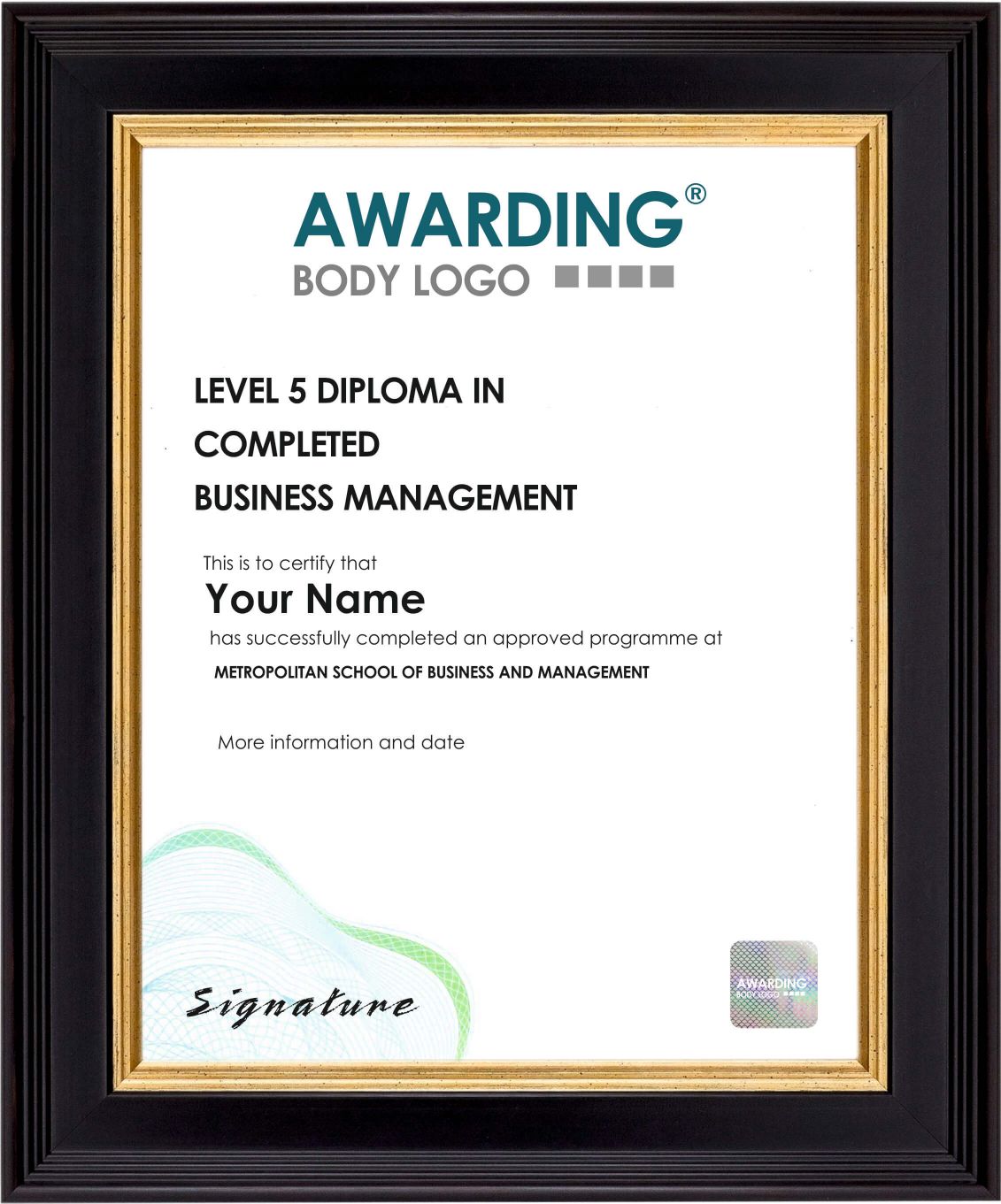
Bachelors of Business Administration
The Bachelor’s Degree in Business Administration provides a strong foundation in core business principles, preparing students for professional success in diverse industries. The program focuses on developing analytical, managerial, and communication skills essential for modern organizations. Through practical modules, students gain knowledge in finance, operations, leadership, and human resource management. This program equips learners with the competencies required to start, manage, and grow successful businesses.
Course Details
This programme offers a comprehensive understanding of business operations and management practices in today’s competitive environment. Students explore essential areas such as communication, customer service, accounting, entrepreneurship, and strategic management. The course emphasizes real-world application through case studies and practical learning activities. Learners develop decision-making, leadership, and problem-solving skills required for effective business management. The program also highlights the importance of operational efficiency, financial planning, and human resource development. Graduates will be prepared to pursue careers in business management, entrepreneurship, and organizational leadership.
By the end of this programme, students will be able to:
- Demonstrate effective communication skills in professional business environments.
- Apply customer service strategies to improve customer satisfaction and loyalty.
- Understand and interpret financial and accounting information for business decisions.
- Develop and evaluate business ideas from concept to market implementation.
- Use management accounting techniques to support strategic decision-making.
- Apply human resource management principles to manage and develop employees.
- Analyze operational processes to improve efficiency and productivity.
- Demonstrate leadership skills in managing teams and organizational activities.
- Evaluate strategic human resource practices that support organizational goals.
- Integrate business knowledge to solve real-world management challenges.
Accreditation
All MSBM courses are accredited by the relevant partners and awarding bodies. Please refer to
MSBM accreditation in about us for more details.
University Progression
University Top-up
On completion of this course, students have the opportunity to be awarded with a bachelor's degree programme from the European Institute Of Management And Technology (EIMT).
Entry Requirements
For entry into Bachelors in Business Administration, learners must possess the following:
* Relevant/Local Board of Examination Result in your Country, which must include at least 5 'C' Grades in English and 4 other subjects.
* Mock Examination Result can also be accepted for initial Conditional Admission, pending the release of the Board of Examination Result. (This is assessed on a case by case basis)
* Learner must be 18 years or older at the start of the Course.
OR
* Mature Learners (21 years or older) with work experience in supervisory, leadership or management roles. (This is assessed on a case by case basis).
Course Modules
This module develops critical academic writing and research skills, focusing on structuring arguments, referencing, and conducting research to support academic and professional objectives.
Students gain insights into legal principles affecting business operations, including contracts, employment law, and regulatory compliance, to support sound decision-making.
Students learn about core business operations, including production, supply chain management, and operational strategies to enhance efficiency and performance.
Students undertake an independent research project, applying academic and analytical skills to address a real-world business problem or question in depth.
Students learn the entrepreneurial process from developing business ideas to launching and sustaining a venture, emphasizing market analysis, funding, and operational planning.
This module equips students with essential communication skills, including business writing, presentations, and interpersonal communication, to foster effective workplace interactions and professional success.
This module focuses on developing effective communication strategies, emphasizing business correspondence, presentations, and collaboration in professional settings.
Students gain insights into customer service principles, focusing on relationship management, problem-solving, and ensuring customer satisfaction in diverse business contexts.
Students gain foundational knowledge of financial management and accounting principles, including budgeting, financial reporting, and decision-making processes.
This module covers foundational financial concepts, including budgeting, financial planning, and interpreting financial data, to support informed decision-making in business operations.
Students learn financial analysis and decision-making techniques, focusing on investment appraisal, risk management, and resource allocation in business contexts.
This module explores leadership theories, team dynamics, and management practices to enhance team performance and achieve organizational goals.
This module explores leadership theories, people management strategies, and techniques for fostering team performance, motivation, and organizational success.
This module provides knowledge of management accounting techniques, focusing on cost analysis, budgeting, and financial decision-making to improve organizational performance.
This module examines key marketing concepts and strategies, enabling managers to understand market research, branding, and customer relationship management.
Students are introduced to marketing principles such as market research, segmentation, branding, and promotional strategies, enabling them to create value and meet customer needs effectively.
Students examine the challenges and opportunities of global business operations, including cultural differences, international trade, and global market dynamics.
This module examines operational strategies, process optimization, and supply chain management to improve efficiency and organizational effectiveness.
This module introduces strategic management frameworks and tools, focusing on analyzing competitive environments and formulating long-term business strategies.
This module introduces strategies for managing and developing people, focusing on leadership, motivation, team dynamics, and effective HR practices to enhance organizational performance.
This module highlights sustainable business strategies, emphasizing environmental, social, and governance (ESG) considerations in achieving long-term success.
Students explore HR strategies that align with organizational goals, focusing on talent management, workforce planning, and fostering a competitive advantage through people.
Students explore the factors influencing business operations, such as economic, social, and legal aspects, and learn how organizations adapt to dynamic market conditions.
Students explore HR management practices, including recruitment, employee development, and performance management, to enhance workforce productivity and engagement.
Workshops
Workshops are conducted by live webinars for online students.
Classroom workshops are available if there is a local branch in your country. Speak our course advisors on this subject.
Visa Requirements
There is no Visa requirement for this programme.