Masters Degree in Continuing Education in Marketing
The Master’s Degree in Continuing Education in Marketing equips professionals with advanced knowledge of modern marketing practices and strategic management. The program integrates core business disciplines with contemporary marketing tools and digital performance strategies. Learners develop analytical, leadership, and decision-making skills to compete in dynamic global markets. The curriculum bridges theory and practical application for real-world business challenges.
Course Details
This programme provides a comprehensive understanding of marketing within the broader business environment. Students explore socioeconomic and legal frameworks influencing business decisions. Core modules in accounting, finance, human resource management, and strategy build strong managerial foundations. Specialized modules focus on marketing communication, search and social performance marketing, and affiliate and email strategies. The program emphasizes strategic thinking, measurable marketing outcomes, and sustainable competitive advantage. It is designed for professionals seeking career advancement in marketing and leadership roles.
The programme offers 10 modules of 7 ECTS each and one thesis of 20 ECTS.
Upon successful completion of the programme, students will be able to:
-
Analyze the socioeconomic and legal factors influencing marketing decisions.
-
Interpret financial and accounting data to support marketing strategies.
-
Develop comprehensive marketing plans aligned with business objectives.
-
Apply strategic management principles to gain competitive advantage.
-
Design integrated marketing communication strategies.
-
Evaluate and implement performance marketing campaigns in search and social platforms.
-
Utilize affiliate and email marketing strategies to drive measurable results.
-
Demonstrate leadership and human resource management skills in marketing teams.
-
Assess contemporary marketing challenges and emerging trends.
-
Formulate data-driven strategic marketing decisions.
Accreditation
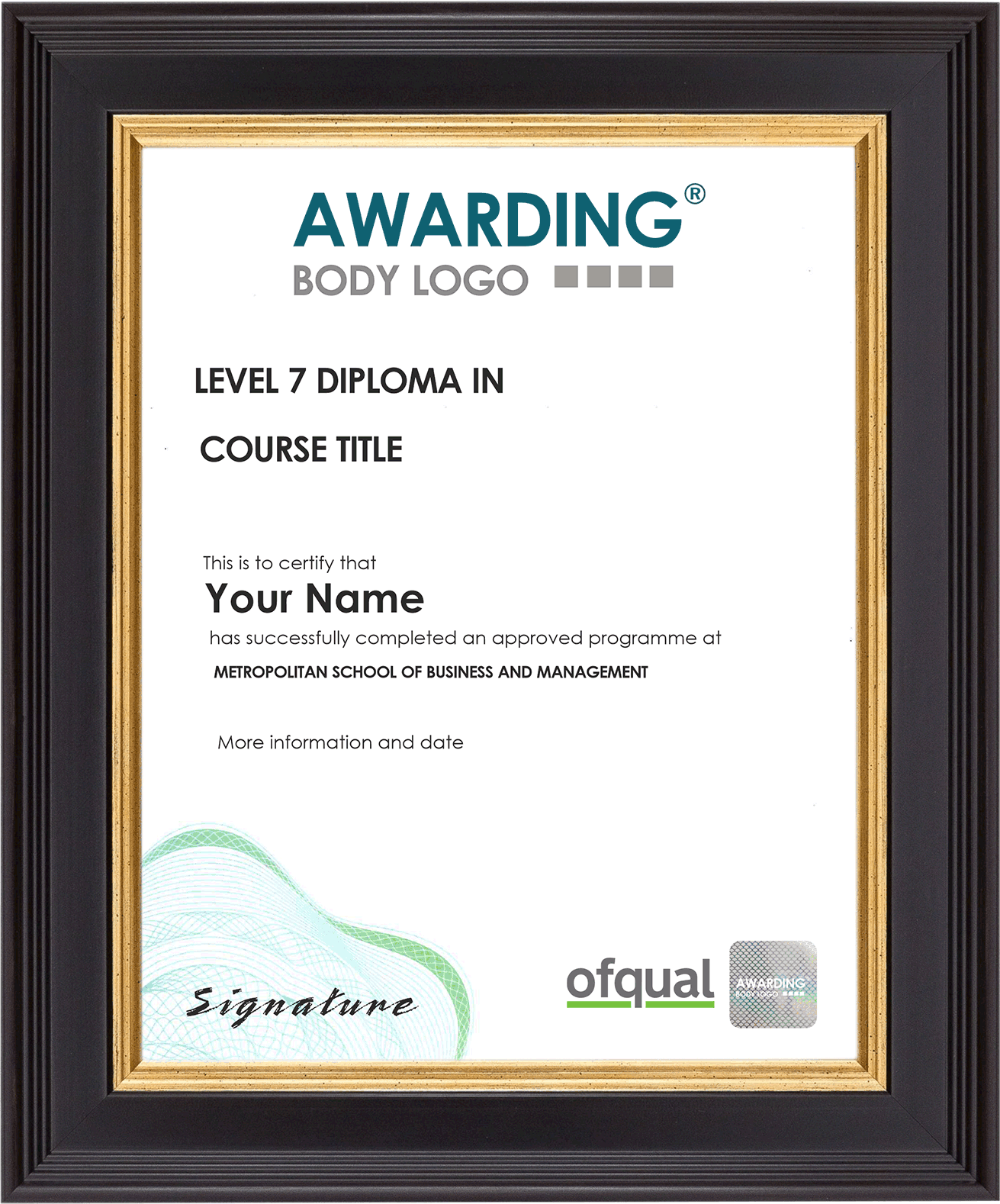
All MSBM courses are accredited by the relevant partners and awarding bodies. Please refer to
MSBM accreditation in about us for more details.
University Progression
Entry Requirements
This course has no strict entry requirements. Students who hold an IPGD or SEMP following their bachelor's degree are eligible to enroll in the Master's Degree in Continuing Education in Marketing programme.
Course Modules
This module explores the interplay between socioeconomic forces and legal systems shaping the business landscape. Students will analyze how economic indicators, social trends, and regulatory frameworks impact operations. It provides insight into regional and global challenges influencing corporate strategies. The module encourages critical thinking for making ethically and legally sound decisions.
Students are introduced to core accounting principles, financial statements, and budgeting tools. The module enables learners to interpret financial data for strategic business analysis and forecasting. Key concepts such as cost management, investment appraisal, and capital structure are covered. It prepares students to make sound financial decisions in dynamic business environments.
This module delves into the foundations of marketing theory and practice in a competitive landscape. Students learn to assess market needs, segment audiences, and position offerings effectively. It emphasizes value creation through strategic planning and customer relationship management. Real-world cases enhance skills in campaign development and brand stewardship.
The module provides a comprehensive understanding of HR functions and leadership dynamics. Topics include talent acquisition, performance management, and conflict resolution. It also focuses on developing essential soft skills like communication, motivation, and decision-making. Learners gain the tools to lead diverse teams and cultivate positive work environments.
This module explores strategic models, frameworks, and decision-making tools used by top managers. Students analyze competitive forces, innovation, and strategic positioning in various industries. It fosters strategic thinking for responding to market shifts and driving organizational growth. Case studies and simulations help in applying concepts to real-world scenarios.
Students study how organizations craft and deliver consistent messages across multiple channels. The module covers advertising, PR, sales promotion, direct marketing, and digital media. It emphasizes branding, message design, and audience targeting for effective communication. Learners will develop integrated marketing communication plans that align with brand strategy.
This module provides an introduction to performance marketing across search and social media platforms. It explores how paid search campaigns on platforms like Google and paid social campaigns on Meta drive measurable business results. Students will learn how to set up, optimize, and scale campaigns using data-driven strategies and audience targeting techniques. The module also covers budgeting, bidding strategies, ad creatives, and conversion tracking. By the end, learners will be able to analyze performance metrics and improve ROI across search and social channels.
This module introduces performance marketing through affiliate and email strategies. It explains how affiliate partnerships and networks drive results-based growth using platforms like Amazon and ClickBank. Learners will explore how to design, automate, and optimize email campaigns using tools such as Mailchimp. This module introduces performance marketing through affiliate and email strategies. It explains how affiliate partnerships and networks drive results-based growth using platforms like Amazon and ClickBank. Learners will explore how to design, automate, and optimize email campaigns using tools such as Mailchimp.
This module provides an integrated understanding of strategic management and marketing principles. It explores how organizations analyze internal and external environments to build sustainable competitive advantage. Learners will examine strategic frameworks and market analysis tools used by companies such as Apple and Toyota. The module also covers strategic planning, positioning, branding, and growth strategies. By the end, students will be able to align marketing decisions with overall business strategy to achieve long-term success.
This module explores contemporary issues and foundational principles shaping modern marketing practice. It examines evolving consumer behavior, digital transformation, sustainability, and ethical marketing challenges. Students will analyze how brands like Nike and Coca-Cola adapt to changing market dynamics. The module also revisits core marketing concepts such as segmentation, targeting, positioning, and the marketing mix. By the end, learners will be able to apply marketing principles to address current industry trends and global challenges.
Workshops
Workshops are conducted through live webinars for online students.
Visa Requirements
There is no Visa requirement for this programme.