Certificate in Emergency Nursing in Telford and Wrekin 2026
Partnerships and Accreditation:
100%
Online learning, with ease.
24/7
Unlimited access with pre-recorded lectures.
Partnerships and Accreditation:

Average Completion Time
6 Months
Accreditation
100 CPD Hours
Level
Advanced
Start Time
Anytime
100% Online
Study online with ease.

Unlimited Access
24/7 access to lectures.

Low Fees
Low and easy to pay online.
Advanced Professional Certificate Courses
These are short online certificate courses of a more advanced nature designed to help you develop professionally and achieve your career goals, while you earn a professional certificate which qualifies you for the appropriate continuous professional development (CPD).

Certificate in Emergency Nursing
The course focuses on rapid decision-making, critical thinking, and evidence-based interventions in emergency situations. Learners will develop confidence in managing trauma, medical emergencies, and disaster response. The course emphasizes teamwork, patient-centered care, and adherence to ethical and legal standards in emergency care. It also prepares nurses to work collaboratively with multidisciplinary teams to ensure optimal patient outcomes. By the end of this course, learners will be ready to apply their skills in high-pressure environments.
The course will commence in the first week of November.
Course Details
Unit 1: Introduction to Emergency Nursing and Triage
Learning Outcomes:
- Explain the roles and responsibilities of an emergency nurse.
- Describe the principles and purpose of triage in emergency care.
- Identify common categories and levels of emergency triage systems.
- Apply initial patient assessment techniques in emergency situations.
- Recognize signs of life-threatening conditions requiring immediate intervention.
- Demonstrate effective prioritization of care based on patient needs.
Unit 2: Trauma Management in A&E
Learning Outcomes:
- Identify types and mechanisms of trauma commonly seen in emergency departments.
- Apply primary and secondary survey techniques in trauma care.
- Demonstrate appropriate interventions for head, chest, abdominal, and musculoskeletal trauma.
- Manage hemorrhage and shock effectively in trauma patients.
- Collaborate with the trauma team during emergency procedures.
- Evaluate trauma patient outcomes based on evidence-based practice.
Unit 3: Medical Emergencies and Critical Care
Learning Outcomes:
- Recognize common medical emergencies including cardiac, respiratory, and metabolic crises.
- Apply protocols for advanced cardiac life support (ACLS) and basic life support (BLS).
- Demonstrate effective airway management techniques.
- Administer emergency medications safely and appropriately.
- Monitor vital signs and interpret critical changes in patient condition.
- Communicate urgent patient information to the healthcare team effectively.
Unit 4: Disaster Response and Mass Casualty Management
Learning Outcomes:
- Understand the principles of disaster preparedness in A&E settings.
- Identify roles of emergency nurses during mass casualty incidents.
- Apply triage principles in large-scale emergencies.
- Demonstrate rapid resource allocation and team coordination during disasters.
- Recognize psychological impact and provide initial mental health support.
- Evaluate post-disaster recovery processes and lessons learned.
Unit 5: Ethical and Legal Aspects in Emergency Nursing
Learning Outcomes:
- Explain key legal principles relevant to emergency care.
- Apply ethical decision-making in life-saving situations.
- Maintain patient confidentiality and informed consent in emergencies.
- Recognize the nurse’s responsibility in reporting and documentation.
- Manage conflicts between patient autonomy and emergency interventions.
- Advocate for patient rights within the A&E environment.
Accreditation
All MSBM courses are accredited by the relevant partners and awarding bodies. Please refer to MSBM accreditation in about us for more details.Entry Requirements
There are no strict entry requirements for this course. Work experience will be an added advantage to understanding the content of the course.The certificate is designed to enhance the learner's knowledge in the field. This certificate is for everyone eager to know more and get updated on current ideas in their respective field. We recommend this certificate for the following audience:
- Trauma Nurse
- Triage Nurse
- Accident & Emergency (A&E) Nurse
- Emergency Room (ER) Nurse
- Critical Incident Nurse
- Disaster Response Nurse
- Urgent Care Nurse
- Emergency Care Coordinator
- Rapid Response Team Nurse
Course Modules
The Certificate in Emergency Nursing (Accident & Emergency) prepares nurses to manage acute and life-threatening conditions in emergency settings. The program emphasizes rapid patient assessment, triage, and evidence-based interventions. Learners develop skills in trauma care, resuscitation, wound management, and emergency pharmacology. The course also focuses on communication, teamwork, and ethical decision-making under pressure. Simulation-based learning enhances critical thinking and quick response in unpredictable situations. Graduates are equipped to provide safe, competent, and compassionate care in emergency and trauma departments.
-
Course Structure and Assessment Guidelines
Watch this video to gain further insight.
-
Navigating the MSBM Study Portal
Watch this video to gain further insight.
-
Interacting with Lectures/Learning Components
Watch this video to gain further insight.
-
Introduction to Emergency Nursing and Triage.
Self-paced pre-recorded learning content on this topic.
-
Trauma Management in A&E.
Self-paced pre-recorded learning content on this topic.
-
Medical Emergencies and Critical Care.
Self-paced pre-recorded learning content on this topic.
-
Disaster Response and Mass Casualty Management.
Self-paced pre-recorded learning content on this topic.
-
Ethical and Legal Aspects in Emergency Nursing.
Self-paced pre-recorded learning content on this topic.
The course focuses on rapid decision-making, critical thinking, and evidence-based interventions in emergency situations. Learners will develop confidence in managing trauma, medical emergencies, and disaster response. The course emphasizes teamwork, patient-centered care, and adherence to ethical and legal standards in emergency care. It also prepares nurses to work collaboratively with multidisciplinary teams to ensure optimal patient outcomes. By the end of this course, learners will be ready to apply their skills in high-pressure environments.
The course will commence in the first week of November.
Unit 1: Introduction to Emergency Nursing and Triage
Learning Outcomes:
- Explain the roles and responsibilities of an emergency nurse.
- Describe the principles and purpose of triage in emergency care.
- Identify common categories and levels of emergency triage systems.
- Apply initial patient assessment techniques in emergency situations.
- Recognize signs of life-threatening conditions requiring immediate intervention.
- Demonstrate effective prioritization of care based on patient needs.
Unit 2: Trauma Management in A&E
Learning Outcomes:
- Identify types and mechanisms of trauma commonly seen in emergency departments.
- Apply primary and secondary survey techniques in trauma care.
- Demonstrate appropriate interventions for head, chest, abdominal, and musculoskeletal trauma.
- Manage hemorrhage and shock effectively in trauma patients.
- Collaborate with the trauma team during emergency procedures.
- Evaluate trauma patient outcomes based on evidence-based practice.
Unit 3: Medical Emergencies and Critical Care
Learning Outcomes:
- Recognize common medical emergencies including cardiac, respiratory, and metabolic crises.
- Apply protocols for advanced cardiac life support (ACLS) and basic life support (BLS).
- Demonstrate effective airway management techniques.
- Administer emergency medications safely and appropriately.
- Monitor vital signs and interpret critical changes in patient condition.
- Communicate urgent patient information to the healthcare team effectively.
Unit 4: Disaster Response and Mass Casualty Management
Learning Outcomes:
- Understand the principles of disaster preparedness in A&E settings.
- Identify roles of emergency nurses during mass casualty incidents.
- Apply triage principles in large-scale emergencies.
- Demonstrate rapid resource allocation and team coordination during disasters.
- Recognize psychological impact and provide initial mental health support.
- Evaluate post-disaster recovery processes and lessons learned.
Unit 5: Ethical and Legal Aspects in Emergency Nursing
Learning Outcomes:
- Explain key legal principles relevant to emergency care.
- Apply ethical decision-making in life-saving situations.
- Maintain patient confidentiality and informed consent in emergencies.
- Recognize the nurse’s responsibility in reporting and documentation.
- Manage conflicts between patient autonomy and emergency interventions.
- Advocate for patient rights within the A&E environment.
The Certificate in Emergency Nursing (Accident & Emergency) prepares nurses to manage acute and life-threatening conditions in emergency settings. The program emphasizes rapid patient assessment, triage, and evidence-based interventions. Learners develop skills in trauma care, resuscitation, wound management, and emergency pharmacology. The course also focuses on communication, teamwork, and ethical decision-making under pressure. Simulation-based learning enhances critical thinking and quick response in unpredictable situations. Graduates are equipped to provide safe, competent, and compassionate care in emergency and trauma departments.
-
Course Structure and Assessment Guidelines
Watch this video to gain further insight.
-
Navigating the MSBM Study Portal
Watch this video to gain further insight.
-
Interacting with Lectures/Learning Components
Watch this video to gain further insight.
-
Introduction to Emergency Nursing and Triage.
Self-paced pre-recorded learning content on this topic.
-
Trauma Management in A&E.
Self-paced pre-recorded learning content on this topic.
-
Medical Emergencies and Critical Care.
Self-paced pre-recorded learning content on this topic.
-
Disaster Response and Mass Casualty Management.
Self-paced pre-recorded learning content on this topic.
-
Ethical and Legal Aspects in Emergency Nursing.
Self-paced pre-recorded learning content on this topic.
The certificate is designed to enhance the learner's knowledge in the field. This certificate is for everyone eager to know more and get updated on current ideas in their respective field. We recommend this certificate for the following audience:
- Trauma Nurse
- Triage Nurse
- Accident & Emergency (A&E) Nurse
- Emergency Room (ER) Nurse
- Critical Incident Nurse
- Disaster Response Nurse
- Urgent Care Nurse
- Emergency Care Coordinator
- Rapid Response Team Nurse
Single Course Purchase
(Buy Lifetime Access)What you will get:
- Access to this course.
- Access to library.
All our programmes include:

Real-world case studies and Testimonials
- Master the in-demand tech skills with our real-world projects
- Get experience with industry-leading companies

Excellent learner support and guidance provided
- Get help and guidance from our tutors when you need it
- Our tutors will help keep you motivated and inspired to reach your goals.

Exclusive access to our professional community
- Enjoy exclusive access to a host of resources curated by industry experts
- Connect with professionals, thought leaders, and innovators in your field and expand your network.

Highly adaptable and flexible learning model
- Access our learning materials and resources from anywhere, at any time that suits you.
- With our self-paced learning, you can accelerate or slow down your learning process to fit your needs.
Unlock your potential
Upskill, reskill or pursue a passion with short courses across every subject, whether you’re a beginner or already an expert.

Choose a better way to learn
Bring the right people and information together in channels.
Why MSBM?
Learn at your pace
Self-study online courses are available 24/7 so you can learn at your pace. This approach offers students who choose distance learning the flexibility to combine studies with work or other commitments.

Exclusive study groups
Our learners may be paired into study groups to help them keep tabs on group assignments and projects.
Identity verification
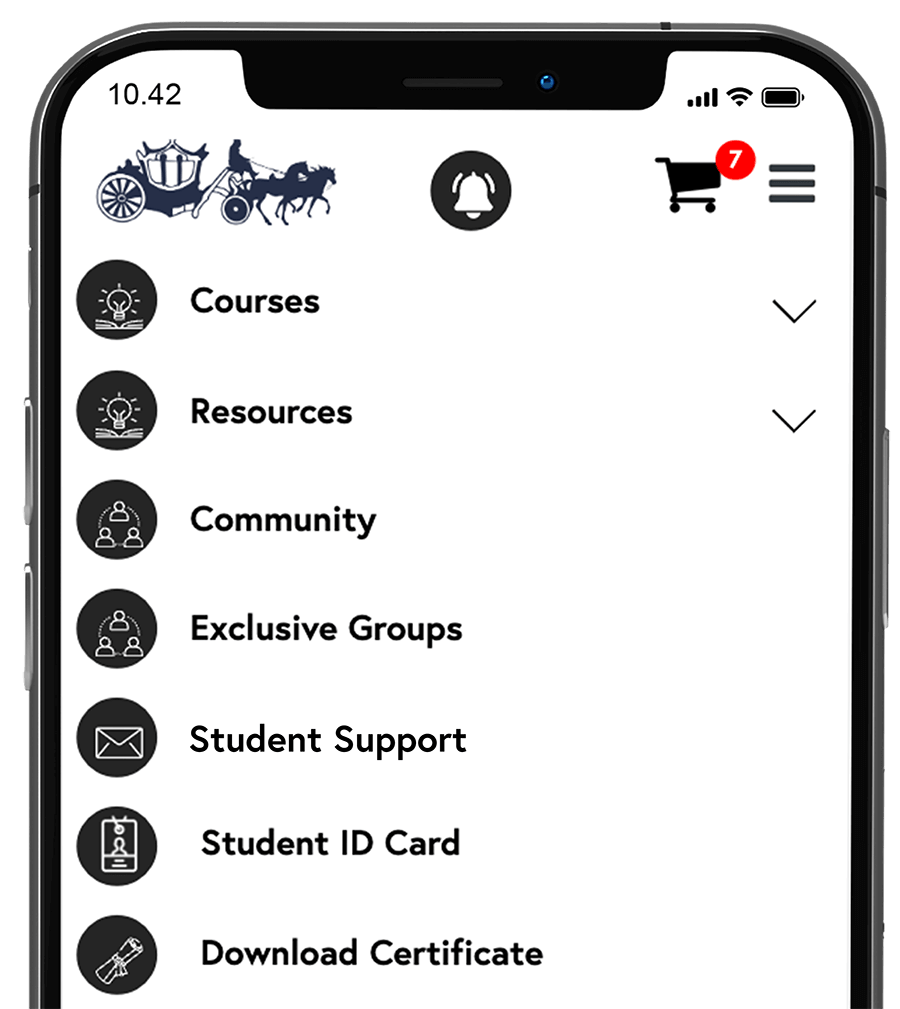
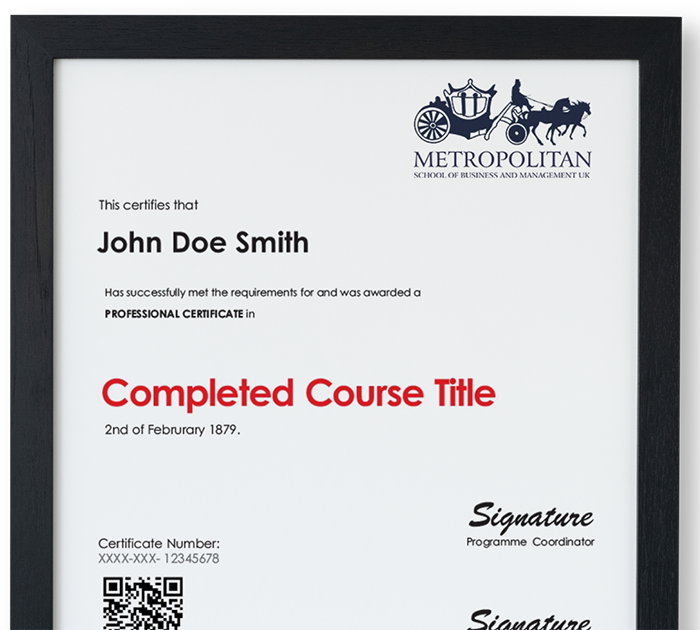
Our certificates and ID cards are verifiable and are strong proof of learnership.

Accredited Courses
Our programmes are fully accredited by relevant awarding bodies all over the world.


A community of true professionals
You’ll be able to connect with other learners throughout your learning journey.
Unlimited Tutor Support
Our learners get unlimited support from our academic team.
Why MSBM?
Learn at your pace
Self-study online courses are available 24/7 so you can learn at your pace. This approach offers students who choose distance learning the flexibility to combine studies with work or other commitments.
Exclusive study groups
Our learners may be paired into study groups to help them keep tabs on group assignments and projects.
Identity verification
Our certificates and ID cards are verifiable and are strong proof of learnership.
Accredited Courses
Our programmes are fully accredited by relevant awarding bodies all over the world.
A community of true professionals
You’ll be able to connect with other learners throughout your learning journey.
Unlimited Tutor Support
Our learners get unlimited support from our academic team.
Earn certificates to add to your LinkedIn profile.
Upskill, reskill or pursue a passion with short courses across every subject, whether you’re a beginner or already an expert.


Learn fast
Online courses with compact learning chapters enable you to learn business skills faster than ever.
Study Online
Get access to online study materials. All courses are 100% online and self-paced.
Global community
No conventional requirements needed, our courses are open to all ages, professions and citizenship.
6,888,755
Learners' Community1,984
Courses238
Nationalities25,347
OrganisationsLearn on your time
Watch bite-sized videos or in-depth courses.

Get Certified
Earn certificates to add to your LinkedIn profile.
Prove your skills
Earn certificates to add to your LinkedIn profile.