Master of Business Administration In Accounting and Finance (MBAAF)
The programme integrates core business management principles with specialized finance and accounting knowledge. Students develop expertise in financial reporting, risk assessment, project management, and strategic financial planning. Emphasis is placed on analytical skills, research methodology, and the use of management information systems for informed decision-making. Graduates are prepared for leadership roles in finance, accounting, and corporate management.
Course Details
Assessment: Assignments
This programme develops expertise in managing business for efficient, sustainable, and global business environments. It prepares professionals to lead operational strategies and deliver performance excellence.
This MBA offers a comprehensive curriculum covering business management, strategic management, and financial disciplines. Students gain proficiency in managerial accounting, financial reporting analysis, and strategic financial management. The program emphasizes project management, operations management, and human resources leadership. Advanced modules focus on risk management, research methodology, and the use of management information systems. Graduates are equipped to analyze complex business challenges and implement effective solutions in a global business environment.
Programme Structure and Credits:
This programme consists of 11 modules and one Graduation Project with a total of 120 ECTS credits.
Accreditation
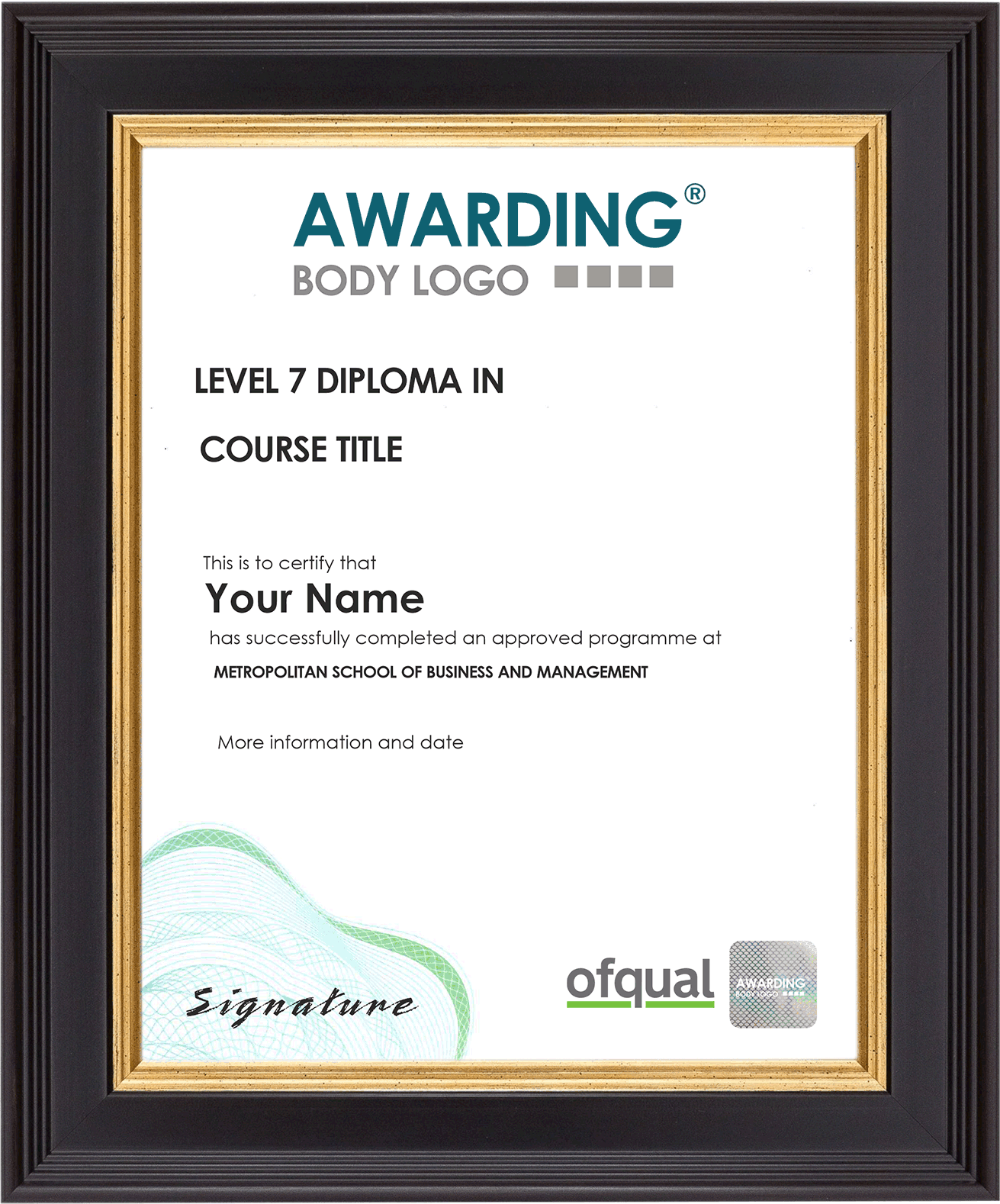
All MSBM courses are accredited by the relevant partners and awarding bodies. Please refer to
MSBM accreditation in about us for more details.
University Progression
Entry Requirements
This course has no strict entry requirements. Students who hold an IPGD or SEMP following their bachelor's degree are eligible to enroll in the Master of Business Administration in Accounting And Finance.
Course Modules
Business management is the process of planning, organizing, leading, and controlling an organization's resources—such as human, financial, and material assets—to achieve specific objectives effectively and efficiently. It encompasses various disciplines, including finance, marketing, operations, and human resources, each contributing to the overall success of the organization. Effective business management ensures that all parts of the organization work together cohesively to meet goals and adapt to changing environments. This field requires strong leadership, strategic decision-making, and problem-solving skills to navigate the complexities of modern business operations.
This module introduces key concepts, tools, and techniques used in business research. It covers both qualitative and quantitative research methodologies and data analysis approaches. Students will learn how to design research projects, formulate questions, and apply appropriate methods. Emphasis is placed on ethical considerations and the practical application of findings in business contexts. The module prepares learners to conduct independent research and support evidence-based decision-making.
This course focuses on the principles of financial reporting and analysis, guiding participants through the structure and interpretation of key financial documents, including income statements, balance sheets, and cash flow statements.
The aim of this unit is to develop learners’ understanding of legislative frameworks that contributed to the design of risk assessment plans in organisations and learn the basics of ISO standards. ISO is a universally recognised international standard that provides principles and guidelines on risk management. These standards provide principles, a framework, and a process for managing risk that can be used by any organisation. The learners will become aware of the principles of the ISO standards.
The management of human beings in a complex organisation- including human resource planning and development, assessment of future needs, building the personnel function to meet the needs of developing organisations, developing career paths, training programs, and policies. Resource loyalties, managing personnel to elevate individual contribution and increase quality, and lowering operational costs topics are additionally covered in this course.
This course provides tools and techniques to help managers plan, control, and evaluate business financial operations effectively.
A Management Information Systems (MIS) module provides an introduction to the role of information systems in business, covering topics such as data collection, processing, storage, and distribution to support decision-making. It explores current technologies and their applications in business processes, emphasizing the integration of people, technology, and organizations. Students learn about database management, networks, and computer security, gaining skills to manage and analyze information effectively. The module prepares students to leverage technology to improve organizational performance and support strategic goals.
This course provides project managers with critical operations and information management skills to enhance project success. Participants will gain insights into optimizing business processes and implementing robust quality management systems.
This module provides a solid foundation in the principles and practices of project management. It covers project lifecycle stages, including initiation, planning, execution, monitoring, and closure. Students will explore tools such as Gantt charts, critical path analysis, and risk management frameworks. Emphasis is placed on leadership, communication, budgeting, and stakeholder management. The module equips learners with practical skills to manage projects successfully across various sectors.
The module on Strategic Financial Management aims to enable the learner to strategically manage the finances of an organization by learning key concepts and skills in financial statement analysis, Identifying and evaluating sources of finance, cost analysis and control, analysis and preparation of financial budgets while using the relevant accounting practices for the strategic success of the organization.
This course teaches students to comprehend the concerns and challenges that strategic management managers encounter. It introduces students to concepts, methodological techniques, and instruments that are applicable to the analysis of an organization's strategic position. Students will learn how to establish and implement strategies and policies, as well as their significant operational implications, in this course.
The thesis project allows learners to conduct independent research and apply theoretical knowledge to address a real-world business challenge.
Workshops
Workshops are conducted through live webinars for online students.
Visa Requirements
There is no Visa requirement for this programme.